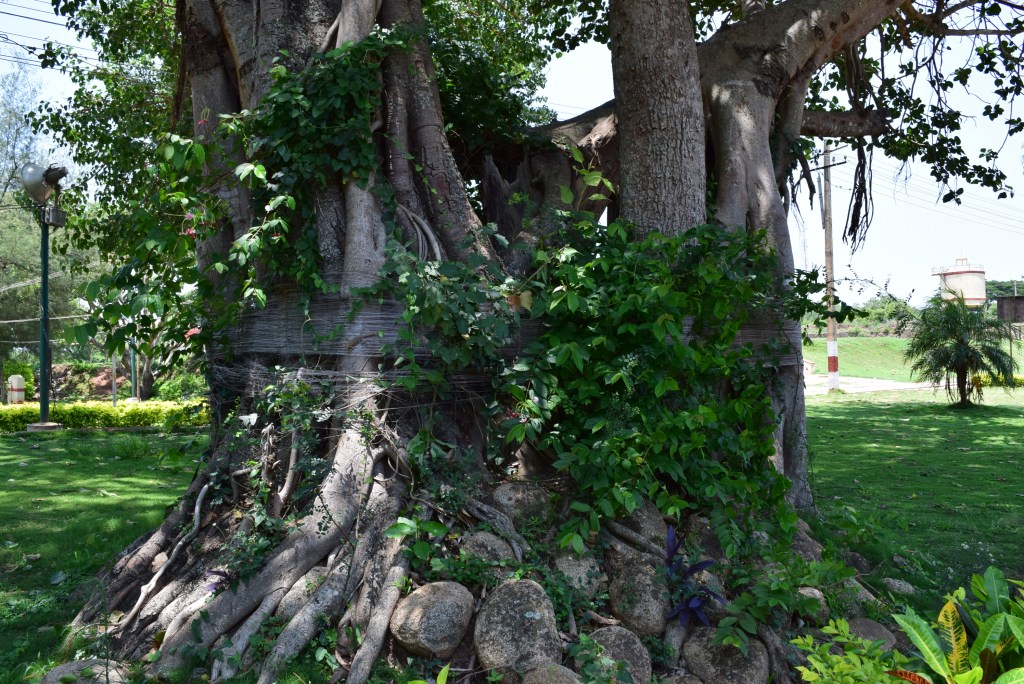
JARJARA PUJA
This is an excerpt from the paper on Purvaranga presented at the National conference at Dharwad on Natyashastra and Yakshagana.
The paper looked the connect between nature worship and performing arts. The Jarjara Puja is very expressive of this concept.
Key words: purvaranga, worship, jarjara, world tree, Natyashastra.
The Purva ranga is a sacred ritual that marks the beginning of a traditional Indian performance.
Add in the link to purvaranga.
After the dikpala puja a sacred ritual that marks the beginning of a traditional Indian performance the Purva ranga unfolds with a deeper exploration spirituality and symbolism. At this stage the focus shifts towards the worship of the jarjara which can be interpreted in two distinct ways as the ancestral worship of Pitr ( ancestors) or veneration of the world tree. A motif deeply rooted in ancient traditions and mythologies.
The concept of the world tree is a recurring theme across various cultures and belief systems throughout history. It symbolizes the connection between heaven, earth and the underworld. With the tree serving as the axis that holds these realms together. in the Hindu scripture the world tree is depicted as the Ashwatha Tree scientifically known as Ficus Religiosa. However, in the southern regions of India, this concept is represented as sthalavrksha or indigenous tree with unique attributes such as a snake residing in its roots and an eagle connecting it to the skies.
The coiled snake is also a representation of the connect to the ancestors, rooting, spirituality and grounding. The snake is the symbol of transformation and shedding off what we no longer need.
While the eagle represents higher aspirations, focus and looking at the larger picture.
What makes the interpretation of the Ashwatha even more intriguing is its multifaced meaning. While commonly it is interpreted as Ashwatha is the keeper of horses. However, the Sanskrit word ‘Ashwa’ encompasses the diverse meanings like breath, power, thought and of course horses. So Ashwatha or the wide spreading tree with is descending branches would be honoured as the king among trees and the keepers of the sacred grooves.
We are again referring not only to maintaining biodiversity and Eco balance, we are also talking of maintaining the oxygen – carbon dioxide balance in the environment.
“Moolata brahma rupaya, Madhyatho Vishnu toopena, Agratha siva roopaya, vrksha raajayathe namah,”
symbolizing the cosmic tree, Arbour Mundi:
The Sanskrit texts refer to the Arbour Mundi as AshwathaNarayana and attach profound symbolism:
- Brahma the creator of the universe , presides at the top of the tree
- Shankara the destroyer and transformer occupy the second tier where the trees begin to branch.
- Vishnu the preserver and sustainer, takes his place within the branches to ensure every leaf is nourished.
- Skanda the warrior god resides in the lower trunk representing the firmness and anchoring of the tree.
- Nagas the serpent deities support the base forming the fifth and final component. The constant rejuvenation and grounding are represented here.
This representation of the cosmic tree symbolizes the divine hierarchy that underpins the entire cosmos. It encapsulates the intricate interplay of creation, preservation and destruction. The Eco balance in its natural order, each deity represents a specific aspect of the cosmic order. This divine hierarchy mirrors the natural order and reinforcers the idea that everything in the universe is interconnected.
In conclusion the purvaranga is not merely a pre-performance ritual but a transformative spiritual journey in itself. It exemplifies the rich tapestry of culture, tradition and devotion that forms the cornerstone of India’s heritage. Through its meticulously choreographed steps and profound symbolism, it showcases the profound connectivity between art and spirituality, captivating audiences and paying homage to the gods for countless centuries. This sacred tradition serves as a testament to the enduring power of ancient rituals in connecting individuals with their cultural roots and the divine.
Dr.Sharmila Rao.
NatyaVidhushi and Independent researcher.
Shared on Blogchatter’s Half Marathon.
Top of Form
 Parwatisingari's Weblog
Leave a comment