Category: Us people
-

Senior’s Glitch
The angst of aging isn’t decline; it’s the mistake of grading our present self against an obsolete baseline. What if sixty is simply life’s next developmental stage?
-

International Toot Your Flute Day
Time to gently toot your flute. The battles fought, the wins, the losses, the wisdom gained the belief unlearned… without apologies.
-

Inherited…choices
Honoring your ancestors does not mean bleeding from their wounds. Thank them for the life, keep the grit, but quietly lay down their inherited fears.
-

When Tourism Goes Septic.
In medicine, “going viral” signals distress, not success. Unchecked tourism behaves like sepsis—the cure cannibalizing the host. The goal isn’t stopping travel, but regulating it.
-
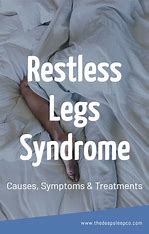
The Restless Leg Syndrome.
So,your legs itch when you sleep, or you kick. That is your conscious mind begging for sleep and Sensorimotor brain shouting ‘Stay alert!Keep running.
-
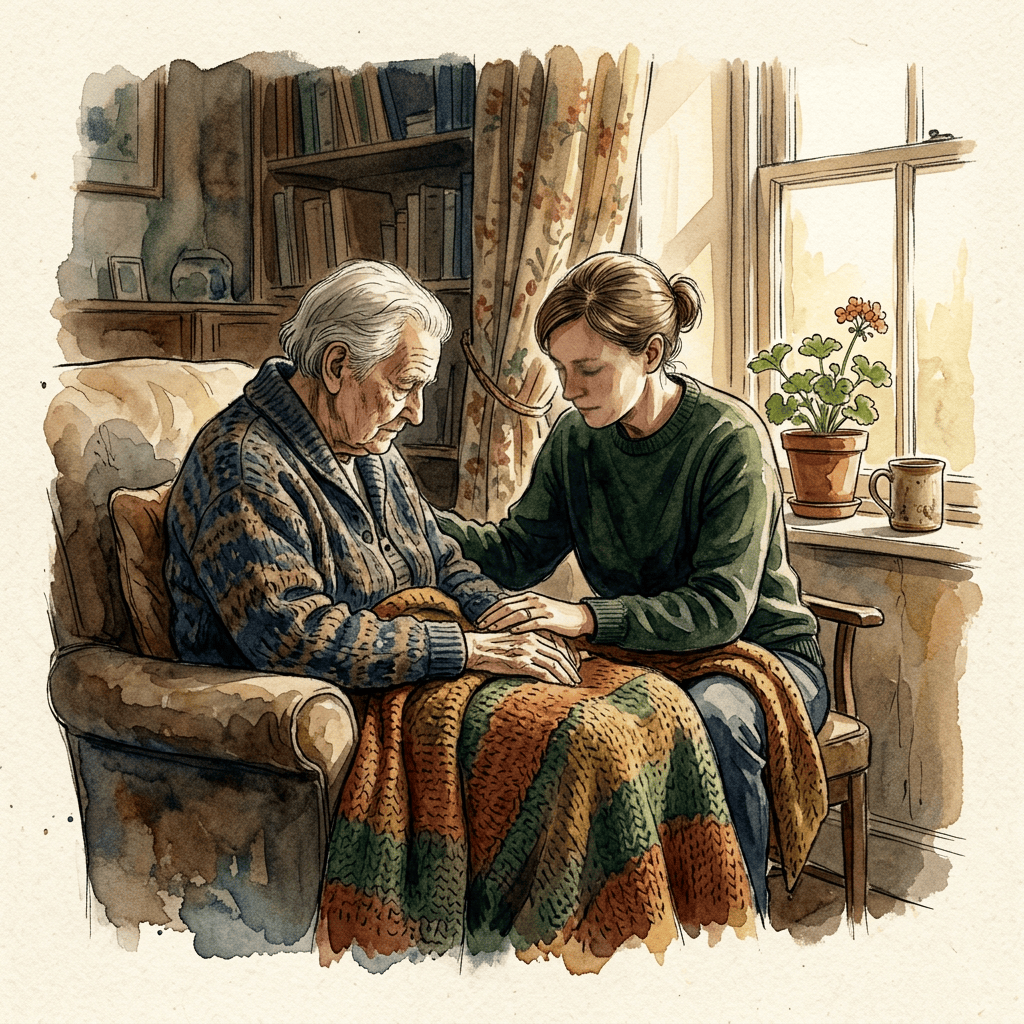
The Third Act that failed.
There is an ocean between absentmindedness and Alzheimer’s. Beyond lost keys and kitchen mishaps lie silent grief, critical prevention, and the unspoken toll on caregivers.

