Acting for Humanity with a Dash of August Sunshine
As I sit here, bracing myself for the inevitable wave of “Happy Humanitarian Day!” messages or perhaps an enthusiastic SMS greeting, I can’t help but wonder if we’ve strayed a bit too far into the realm of well-intentioned absurdity. Before I go on to question the purpose of the day, I thought I’d first check the definition of “humanitarian.” According to the dictionary, it’s a person dedicated to improving the lives of others. Fair enough. But somehow, the concept feels like it’s being stretched thinner than my patience during a traffic jam.
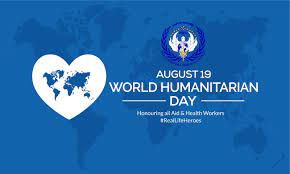
World Humanitarian Day, recognized on August 19th, was established to honor those who have dedicated, and in many cases, lost their lives while working for humanitarian causes. It’s a solemn reminder of the ultimate sacrifice made by Sergio Vieira De Mello and 21 of his colleagues in the 2003 bombing of the UN Headquarters in Baghdad. The day urges us to reflect on the dangers faced by those who help others and to celebrate the spirit that fuels such work worldwide.
But let’s face it, we’re in August—a month that also happens to celebrate “Happiness Happens” and nudges us to ponder our legacy. In a month where we’re encouraged to let happiness unfold and think about what we leave behind, it seems fitting to ask: What does “Acting for Humanity” really mean? And how can we do it without turning into self-righteous, albeit well-meaning, busybodies?
For starters, if you really want to act for humanity, skip the grand gestures. Start with a small, meaningful act—something like helping your neighbor carry groceries or listening, really listening, to someone who needs to talk. No fanfare, no hashtags. Just quiet, impactful kindness. After all, humanitarianism is not about swooping in like a superhero; it’s about recognizing the humanity in each person you encounter and treating them with the dignity and respect they deserve.
The United Nations tells us that humanitarian work is guided by principles of humanity, impartiality, neutrality, and independence. Yet, too often, our efforts come from a place of privilege—helping others not because we see them as equals but because we see them as less fortunate. This mindset creates a divide as vast as the Grand Canyon, with one side feeling superior and the other side feeling patronized. To truly act for humanity, we need to tear down that mental wall, recognizing that, at our core, we’re all the same. It’s about connecting with others on a heart level, where empathy, not pity, rules the day.
So, as we swim through the warmth of August, let’s reflect on how we can act for humanity in a way that aligns with the happiness and legacy vibes. Think about the little things—the moments of kindness that ripple outwards, leaving the world just a bit better than we found it. It’s about creating a legacy of small, thoughtful actions that accumulate into a life well-lived.
And, getting candid, let’s acknowledge that sometimes, the best way to change the world is to change how we see it. Instead of grand speeches and sweeping missions, maybe all it takes is a shift in perspective—a realization that we don’t need to “save” anyone. We just need to be kind, a little kinder than necessary, wherever we are.
At the end of the day, being a humanitarian isn’t about making others’ lives better so you can feel good about yourself. It’s about leaving the world, and everyone in it, a little happier, a little more hopeful, and maybe just a touch more humane. And if that’s not a legacy worth striving for, I don’t know what is.
 Parwatisingari's Weblog
Leave a comment