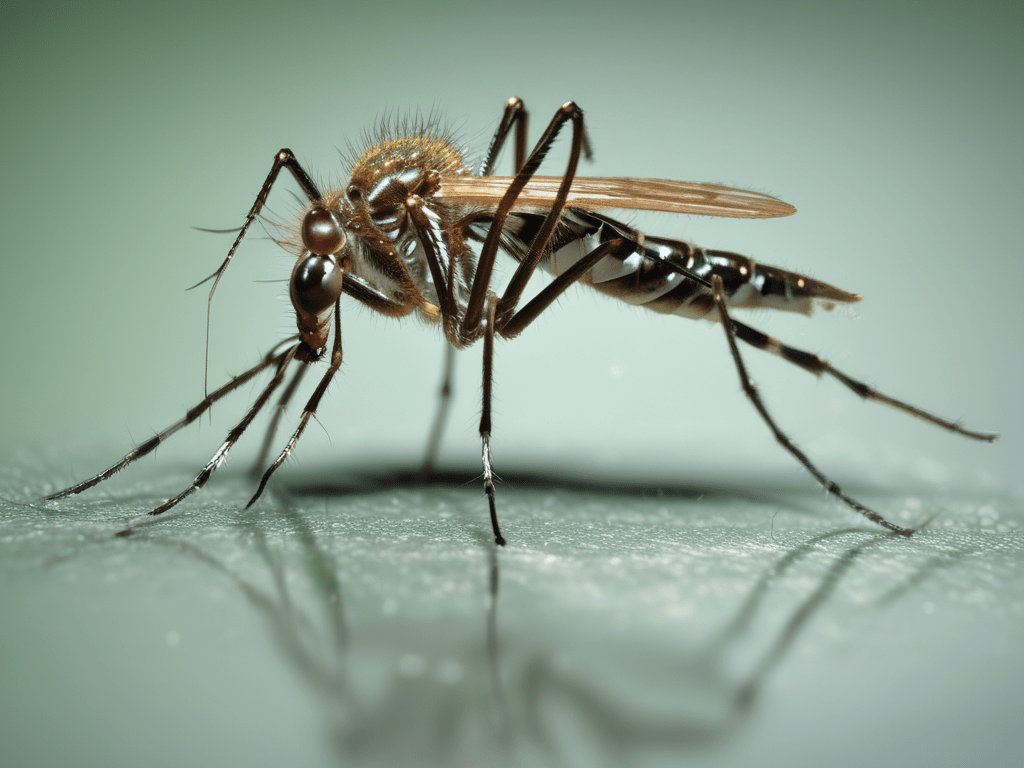
The Unseen Impact of Mosquitoes and the Power of Wolbachia in the Fight Against Mosquito-Borne Diseases

Mosquitoes have been around for over 100 million years, with 3,500 species populating our planet. While most of these species aren’t interested in biting humans, the few that do pose a significant threat, transmitting diseases that affect millions globally. In 2024, the world has faced the worst year on record for dengue, with over 11 million cases reported across 80 countries. The Americas have been hit hardest, accounting for most of these cases. Alongside dengue, chikungunya and Zika continue to spread, emphasizing the urgent need for effective solutions.
Enter the World Mosquito Program and its innovative Wolbachia method, a groundbreaking approach to combat mosquito-borne diseases. Wolbachia, a naturally occurring bacterium, is introduced into mosquito populations, significantly reducing their ability to transmit viruses like dengue, Zika, chikungunya, and yellow fever. By breeding with wild mosquitoes, Wolbachia mosquitoes gradually replace the local mosquito population over several generations. This one-time, non-GMO intervention has proven its effectiveness, protecting over 11.4 million people across 14 countries.
But why is Wolbachia so crucial in our fight against these diseases? The bacterium works by altering the reproductive system of mosquitoes, ensuring that they pass on Wolbachia to their offspring. This results in a mosquito population with a much-reduced ability to carry and spread viruses. Field trials have consistently demonstrated the success of this method in controlling dengue outbreaks, offering a beacon of hope in regions struggling with the disease.
The Broader Ecological Role of Mosquitoes
While we focus on controlling disease-transmitting mosquitoes, it’s essential to understand the broader ecological role they play. Mosquitoes are not just pests; they contribute to the ecosystem in various ways. For instance, they pollinate flowers while hunting for nectar, and their larvae serve as a food source for many aquatic creatures. In Alaska alone, the biomass of mosquitoes is estimated at around 96 million pounds, indicating their significant presence in the food chain.
Interestingly, some mosquito species have adapted to unique habitats, such as the carnivorous plant Sarrecenia Purpurea, where they coexist with the plant and other decomposing insects. Despite their role in the ecosystem, the spread of mosquito-borne diseases makes it imperative to control their populations in areas where they pose a health risk.
Controlling Mosquitoes Naturally
While Wolbachia is a powerful tool in combating mosquito-borne diseases, natural methods of mosquito control also play a vital role. Eliminating breeding grounds, such as stagnant water, and using natural repellents like lemongrass are effective strategies. Introducing predators like salamanders, frogs, and bats can also help keep mosquito populations in check.
The long-term impact of eliminating disease-transmitting mosquitoes is still unknown, but what is clear is the necessity of interventions like Wolbachia. As the world grapples with the rising threat of mosquito-borne diseases, the integration of innovative solutions and natural methods offers a promising path forward.
 Parwatisingari's Weblog
Leave a comment