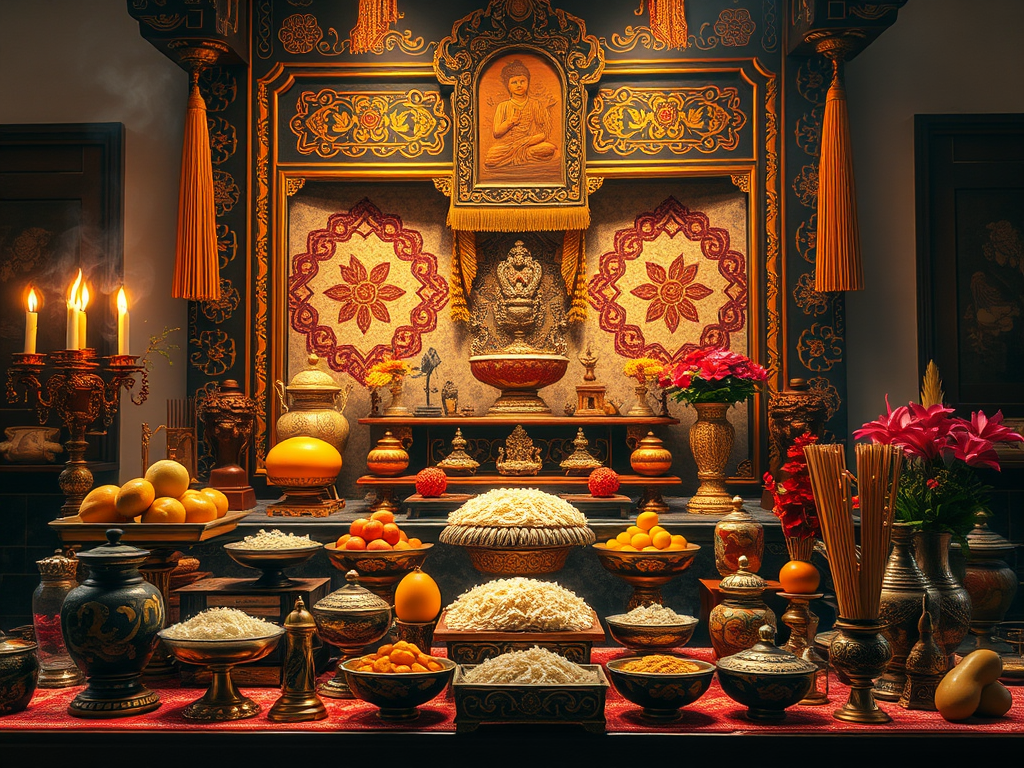
Ancestral Wi-Fi and other connections…
Dr. Basil Thistledown and the Spirits of the Past
Dr. Basil Thistledown arrived in town looking, as always, like he had been caught in a mild explosion in a second-hand bookshop. His tweed jacket bore evidence of past encounters with herbal teas and uncooperative ink pens, his bow tie was slightly askew, and his satchel bulged suspiciously, as though he had packed for both a lecture and an impromptu archaeological dig.
He was here for an academic engagement—or so the organizers hoped. The event had been advertised as a distinguished lecture on ancestral worship, though anyone familiar with Dr. Thistledown’s style knew this could mean anything from a deeply insightful discussion on intergenerational trauma to an impromptu demonstration of folk healing using whatever was in his coat pockets at the time.
The hall was filled with a curious mix of students, anthropology enthusiasts, and at least one man who looked as though he had merely wandered in seeking refuge from the midday sun. As Thistledown adjusted his spectacles, which had an unnerving tendency to slide down his nose, he surveyed his audience with the air of a man who had just remembered where he left his train of thought.
“Ah, excellent, you all look relatively alive. A good start,” he began, beaming. “Today, we discuss Me-Dam-Me-Phi, an extraordinary Ahom festival that honors one’s ancestors. A sort of family reunion, if you will—only with more incense and fewer arguments about cricket.”
The students exchanged glances, uncertain whether laughter was permitted. Thistledown took this as encouragement.
“The term ‘Me-Dam-Me-Phi’ comes from the Tai Ahom language—‘Me’ means offerings, ‘Dam’ refers to ancestors, and ‘Phi’ signifies gods or spirits. Essentially, it means ‘oblations offered to the ancestral spirits.’” He paused, letting the phrase settle. “Or, as my Aunt Mildred might put it, ‘bribing one’s dearly departed with snacks.’”
A polite chuckle rippled through the crowd.
“The Ahom people of Assam have been celebrating this festival for centuries. Initially, it was an exclusive ritual conducted by Ahom royalty. The kings, you see, weren’t just rulers—they were responsible for keeping the spirits of their ancestors well-fed and well-tempered. Rather like maintaining a family WhatsApp group, except instead of emojis, they sent prayers and rice.”
A student in the front row scribbled notes with great enthusiasm.
“Now,” Thistledown continued, warming up, “the central ritual is Dam-Kunding, where offerings—often food and drink—are presented to ancestral spirits. Priests, known as Deodhais or Mohans, chant ancient hymns in Tai Ahom. Imagine, if you will, a grand, sacred Zoom call between the past and the present, except the spirits cannot be muted when they disapprove.”
A few heads nodded, some in amusement, others in sudden realization that their own family gatherings bore striking similarities.
“But it isn’t just about food and formalities,” Thistledown said, pacing the stage now, his pocket watch jangling against a mystery object that might have been an antique key or a licorice lozenge. “Me-Dam-Me-Phi is a profound act of collective remembrance. By honoring one’s ancestors, the Ahom people reaffirm their cultural identity and maintain a sense of continuity between generations. You see, whether we acknowledge it or not, the people who came before us have left their fingerprints all over our lives.”
He paused dramatically.
“Some of us inherit wisdom. Others, an alarming tendency to misplace important documents. Either way, ancestral influence is real.”
A student raised a tentative hand. “Sir, do you believe the ancestors actually hear us?”
Dr. Thistledown considered this with the solemnity of a man contemplating whether to trust a second-hand parachute.
“Well,” he said, “the scientific mind would argue that these rituals are symbolic, a way to process grief, reinforce values, and build social cohesion. The spiritual perspective, however, suggests that the spirits are very much aware and occasionally make their presence known—usually in ways that involve mysteriously flickering lights or misplaced socks. Personally, I believe that even if the ancestors are busy with their celestial affairs, it is we who are changed by the act of remembering them.”
A murmur of approval spread through the hall. Encouraged, Thistledown pressed on.
“In fact, we might all benefit from such a practice. Imagine if, instead of arguing with our relatives on social media, we simply made them a symbolic plate of rice and sent up a kind thought. It could revolutionize family dynamics. Imagine resolving unfinished business by simply whispering, ‘I forgive you for the time you ate the last samosa,’ and then moving on. Therapy bills would plummet!”
Laughter erupted. Even the man who had wandered in for shade now looked intrigued.
As the lecture concluded, a young woman approached Dr. Thistledown, curiosity gleaming in her eyes. “If you had to leave an offering for your ancestors, what would it be?”
Thistledown tilted his head in thought.
“Ah, now that’s a question worth pondering,” he said at last. “Perhaps a fine cup of Darjeeling, a well-worn book, and an apology for failing to inherit the family’s alleged talent for whistling.”
With a wink, he turned and ambled off in search of a cup of tea strong enough to summon his own ancestors.
 Parwatisingari's Weblog
Leave a comment