
A Prelude to the Skeletal Memory of Earth
July 13th was Rock Day
We begin, as all resilient stories do, with rocks. Not the ones hurled in protest or skipped over lakes, but the ones that have been quietly holding the planet together for 4.6 billion years. If Earth had a skeletal system, rocks would be its bones — dense, enduring, and occasionally fossil-studded. They carry ancestral resonance, fossilized whispers of trilobites, ammonites, and other prehistoric beings with names that sound suspiciously like underused sci-fi villains.
Geologically speaking, rocks are aggregates of minerals that form Earth’s crust, mountains, and metaphors. They come in three classic personalities:
- Igneous rocks are volcanic origin stories: magma cooled into drama. Think granite and basalt — intense, expressive, prone to fiery beginnings.
- Sedimentary rocks are the archivists, pressing centuries of detritus into compressed wisdom. Sandstone and limestone whisper tales of ancient oceans and forgotten ecosystems.
- Metamorphic rocks are the shape-shifters, reinventing themselves under pressure and heat. Marble, schist, slate — survivors of subterranean identity crises.
Each type, in its own geological flair, reflects transformation under pressure. It’s poetic, really — the sedimentation of memory, the heat of change, the crystallization of survival. We’ll dig deeper into this metaphorical mineralogy in a forthcoming piece on personal and collective transformation. Stay tuned. Wear sturdy shoes.
Sacred Geography: Stones That Speak
Rocks are more than geology — they’re geography with soul. Across cultures, they serve as protectors, navigators, and repositories of myth.
Snake stones are said to heal and shield, sunstones once guided Viking ships across fog-shrouded seas, and coral rocks — fossilized remains of ancient reefs now hoisted into mountains — testify to Earth’s ability to repurpose memory. The Rock of Gibraltar, one of the legendary Pillars of Hercules, stands at the edge of myth and empire. It’s a symbol of endurance, a colonial landmark, and the occasional perch for macaques with excellent views.
This sacred terrain deserves a deeper exploration. For now, consider it a breadcrumb on the path — the rock underfoot that nudges your gaze upward.
Navigation and Myth: Stones That Move and Mark
To say rocks sit still is to underestimate them. Take the sailing stones of Death Valley — rocks that glide eerily across desert flats without visible propulsion. Somewhere between geology and ghost story. Elsewhere, cairns and compass stones help pilgrims orient themselves through wild landscapes and emotional fog.
Rocks don’t just mark boundaries — they hold stories. Fossils embedded within them speak of vanished worlds. In Japanese belief, certain stones act as pit stops for souls en route to rebirth. In myth, rocks bleed, transform, weep, and guard the gates of forgotten realms.
There’s more to say — and we will. Eventually.
Crystals: Consciousness in Carbon
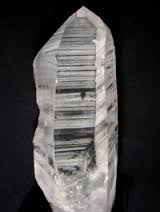
Let’s be honest: diamonds, rubies, emeralds — they get all the glamour, but at heart they’re structured molecules with delusions of grandeur. Crystals are rocks that went to finishing school. But beneath their sparkle is something primal: a vibrational architecture said to carry memory.
Enter the Lemurian crystals — believed by some to encode knowledge from lost civilizations. A bit metaphysical, a lot intriguing. Are they the Earth’s USB drives? Perhaps. Are they plot devices for a future article? Absolutely.
Rock Music: The Sonic Cousin
And then there’s rock music — geology’s wayward sibling. Born in the 1950s from a fusion of blues, gospel, and youthful defiance, rock music took the name and amplified it.
From the Beatles to Nirvana, rock has mirrored geology’s moods: eruptions of emotion, sedimented influence, and the occasional metamorphic reinvention. It’s no accident that both rocks and rock stars are described as “solid,” “groundbreaking,” or “crusty.” Some even fossilize in real time — see: Keith Richards, living proof that limestone is resilient.
Closing Gesture: Standing on Rocky Terrain
So here we stand — on rocky terrain. Not just literal, but symbolic. The ground beneath us is uneven, ancient, and full of stories. These rocks are not obstacles; they are archives, allies, anchors.
Every fissure is a fault line of memory. Every layer, an echo. And when you place your foot upon the Earth — or stub your toe on a stone — pause and ask: what story is this rock still telling?
 Parwatisingari's Weblog
Leave a comment