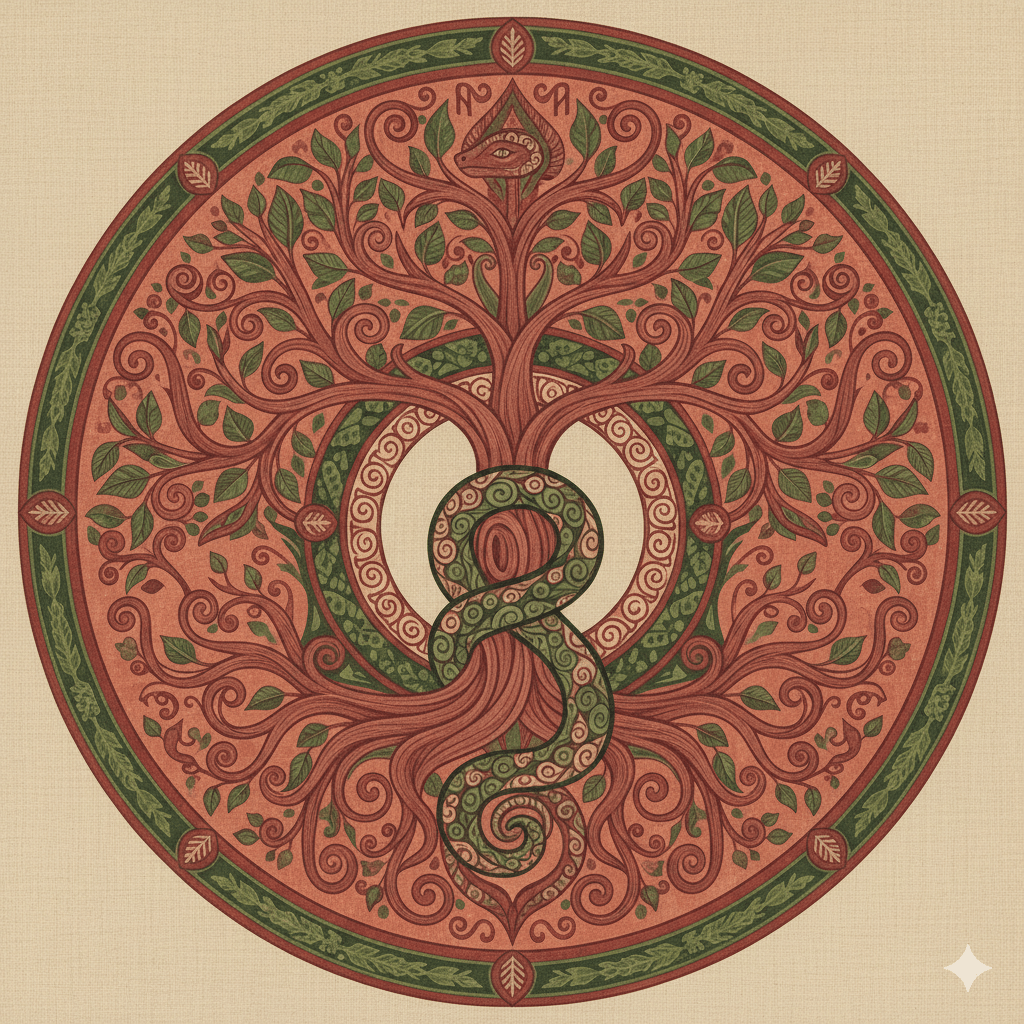
December always arrives with this grand, self-important flourish—as if someone has shaken the cosmic snow globe and declared, “Behold, the end of the year! Commence your annual existential crisis.” Everywhere I look, there are countdowns, reflections, resolutions, and people behaving like philosophers who’ve been accidentally sprinkled with glitter.
All this fuss, of course, only matters if you bow obediently before the Gregorian calendar. Otherwise, “December” is just another human naming ceremony for the movement of the sun. The academic year begins whenever schools decide children must suffer again. The financial year marches to its own bureaucratic drum. Lunar-calendar Hindus wait for Yugadi, Tuluvas for Bishu Parba, and Hindu trading communities politely inform the world, “Our year begins the day after Deepavali; kindly update your emotional timetable.” The truth is simple—calendar is just our way of nodding at cycles and pretending we’re in charge.
Meanwhile, December is Dhanurmasa, the month the gods supposedly sleep. A charming detail that once made me feel connected to a cosmic rhythm… until this year, when I learned even divine beings have limits.
Word in the celestial corridors is that Lord Ayyappa has temporarily abandoned Sabarimala. Not out of theological reasons, mind you, but because He simply could not handle the torrent of tourists and their permanently ringing mobile phones. Apparently someone tried to take a selfie with Him mid-darshan, and that was the last straw. Imagine being a deity, surviving millennia of devotion, austerity, and mythological chaos, only to be defeated by a crowd yelling, “Bro, move aside, angle not good.”
Growing up, of course, December was far gentler. Advent candles flickering. Christmas stars twinkling. Midnight mass with hymns sung in earnest rather than shouted over the sound of someone’s phone ringing with the ringtone “Kala Chashma.” D’Silva Master’s legendary homemade wine—so potent that even the staunchest rum enthusiasts approached it like it was radioactive. The season felt intimate, almost saintly.
Then December got itself entangled with the family calendar. Weddings everywhere. My aunt’s anniversary, then mine, then my brother’s, then my cousin’s. Clearly, my clan believes in love blossoming at the same time every year, and December holds all the receipts. Cakes multiplying like tribbles. WhatsApp wishes arriving in bulk from relatives who remember my name only during festive months.
But the real December plot twist? Goa.
Three decades here, and December used to be a time of strolling to St. Xavier’s Feast, enjoying bright-lit houses, and taking part in Christmas and New Year celebrations that felt communal, warm, and local.
Now December in Goa is basically a survival sport.
Tourist infestation arrives like a biblical plague disguised in floral shirts. Roads clog until they resemble parking lots with abandonment issues. Walking becomes an extreme sport requiring upper-body strength and profound faith. The beaches overflow. The churches overflow. The noise overflows. Panjabi tourists loudly narrate their entire life stories during mass, and someone inevitably gets into a fight because the cab fare went from “reasonable” to “please mortgage your house” overnight.
And travel fare—don’t get me started. Every December, airlines behave as if they’re transporting us to Mars, not Mumbai. Even local buses look you in the eye and whisper, “It’s December. Pay up.”
So the locals run. We flee the state. We vanish into forests, hills, other countries, or even our own bedrooms. December has turned us into migratory birds without wings, but with very strong opinions.
And as if the chaos outside isn’t enough, the digital world sharpens its claws.
Every day, social media assaults me with its December content:
“Have you completed your reading target?”
“Have you reflected on your year?”
“Have you looked back on your growth journey as a human being?”
No, thank you. My take on the past is simple: it is done, over, and processed into biological waste—already composting somewhere in the emotional landfill. Why would I dig it up? Let it decompose in peace.
Yet December insists. It’s dramatic that way. Unlike April or August, which quietly exist, December wants to be felt, examined, worshipped, and feared. It’s the month that puts pressure on us to conclude things, understand things, and post them online with soft-focus filters.
At the same time, it offers moments of odd tenderness. A sudden cold breeze pretending it’s winter. A remembered tune from childhood. A piece of cake appearing unexpectedly. A star glowing in a neighbour’s window. Hogmanay floating in from distant Scotland with its whisky, fire, and first-footing rituals. A festival that seems to say, “Look, life is messy, dark, full of flames, but still worth celebrating.”
December, despite all its loud, obnoxious, glitter-soaked energy, is strangely honest. It throws everything at you—tourists, nostalgia, inflated fares, too many parties, too many memories, and way too many social media reflections—and expects you to keep walking.
But I suppose that’s why I still meet December each year with a sigh and a smirk. Because even when the gods are asleep—or have fled to avoid mobile phones—life keeps calling. Bells keep ringing. Time keeps circling back.
And someone, inevitably, has to answer the door.
 Parwatisingari's Weblog
Leave a comment