Mindblown: a blog about philosophy.
-

Writing Right Retreat
Noololyako chenni, noololyako the base voice of the singer was crooning. Asking his glamorous lady love, why doesn’t she spin? “ratiyillelo jaana ”she replies, that she needs a spinners wheel…the dialogue goes on in the nasal twang of the folk singers. Once upon a time these singers would never enter Durbar-e-khaas. But the song is…
-

A Crappy Affair
World toilet day The UN has declared Nov.19th as the world Toilet day. We have lived and grown up with toilets, of course during our younger days when we travelled we never used public toilets since we were worried about hygiene with the advent of pay toilets those are taken care off too. The impact…
-
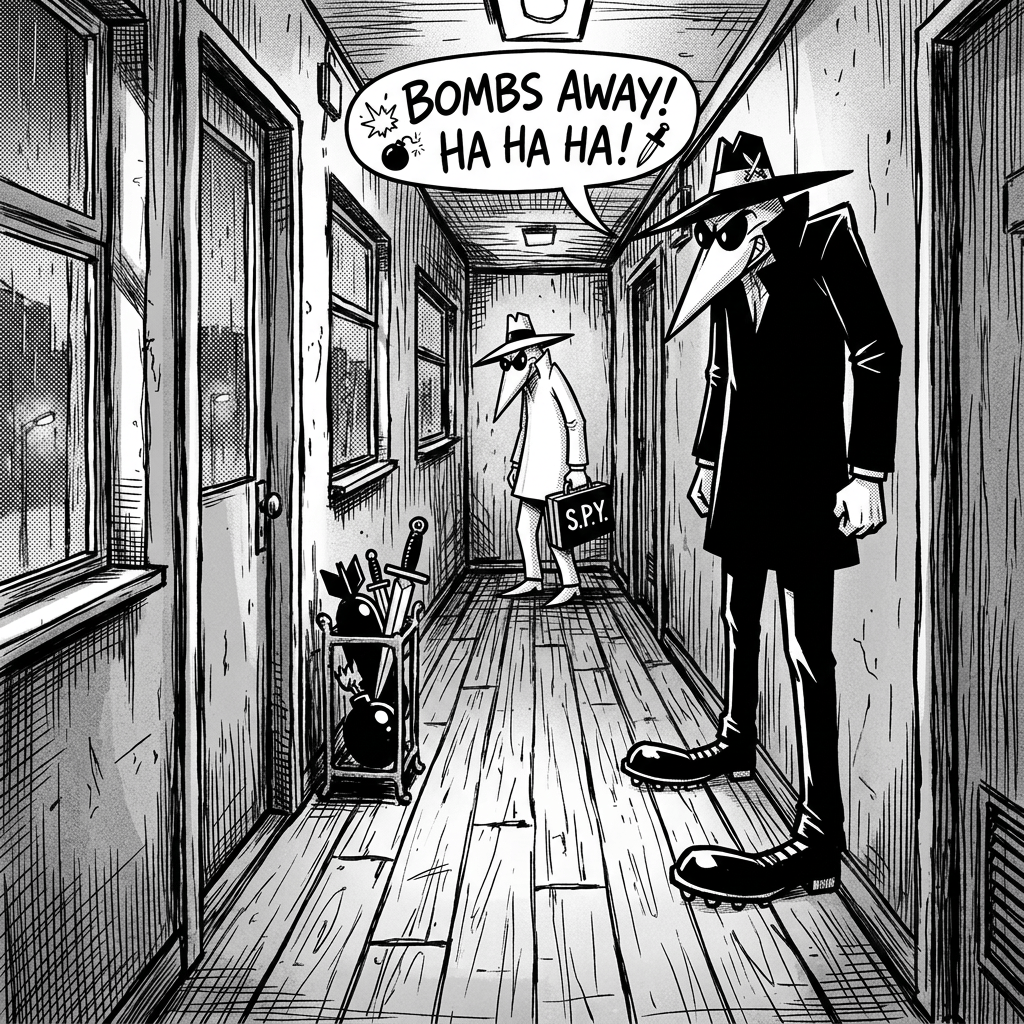
Death By Indori Poha.
“The human mind can juggle being a Punjabi commando and a Delhi pensioner. But add an obsession with Ratlami sev, and the synapses blow a fuse.”
-
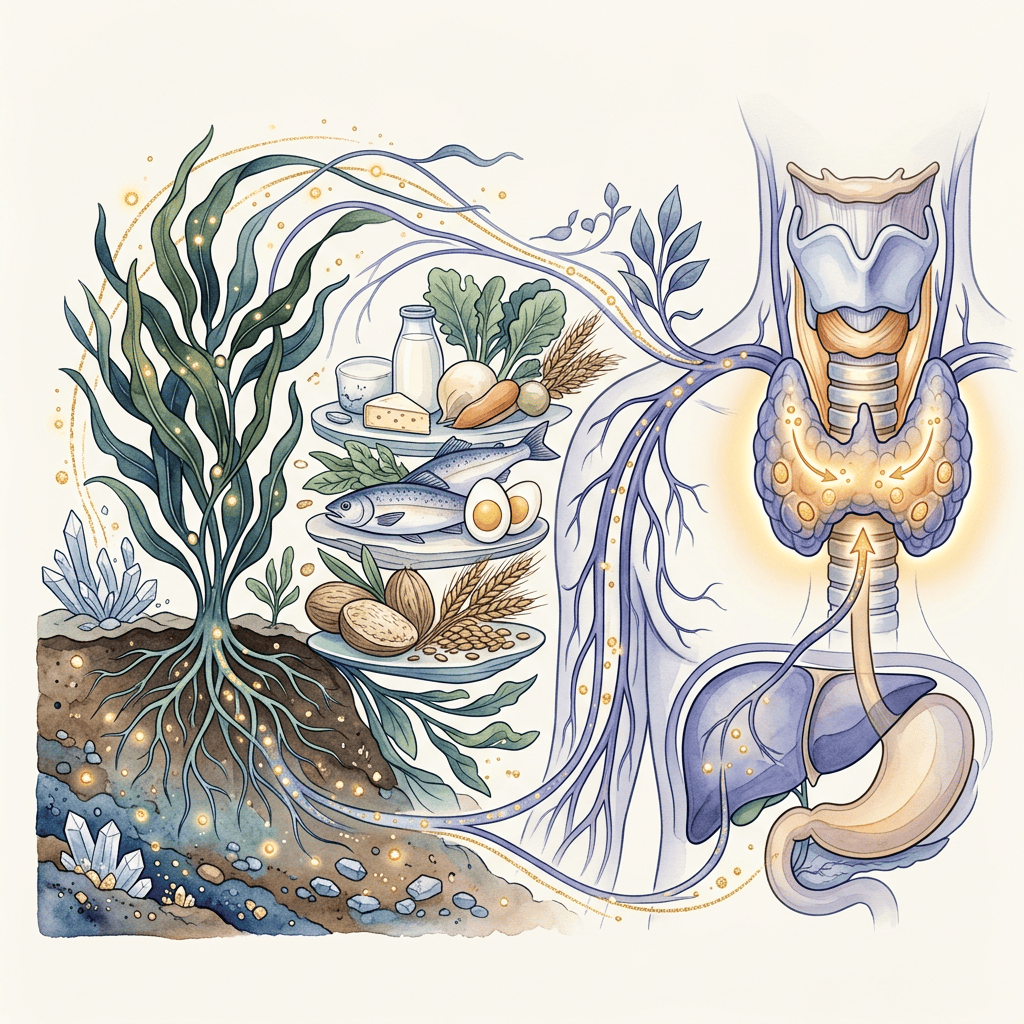
Global Iodine Awareness Day
A single teaspoon of iodine spread over a lifetime fuels brain development, regulates metabolism, and preserves lifelong vitality. Protect your health simply with iodized salt.
-
The Tenant.
“When your reality changes, you transform.” Aryamba read the sentence aloud, holding her phone at arm’s length to catch the light falling through the kitchen window. “People, unfortunately, relate to the old you. If you have to maintain the transformation and keep the vibration high, you have to change your feeder. That is your social…
-
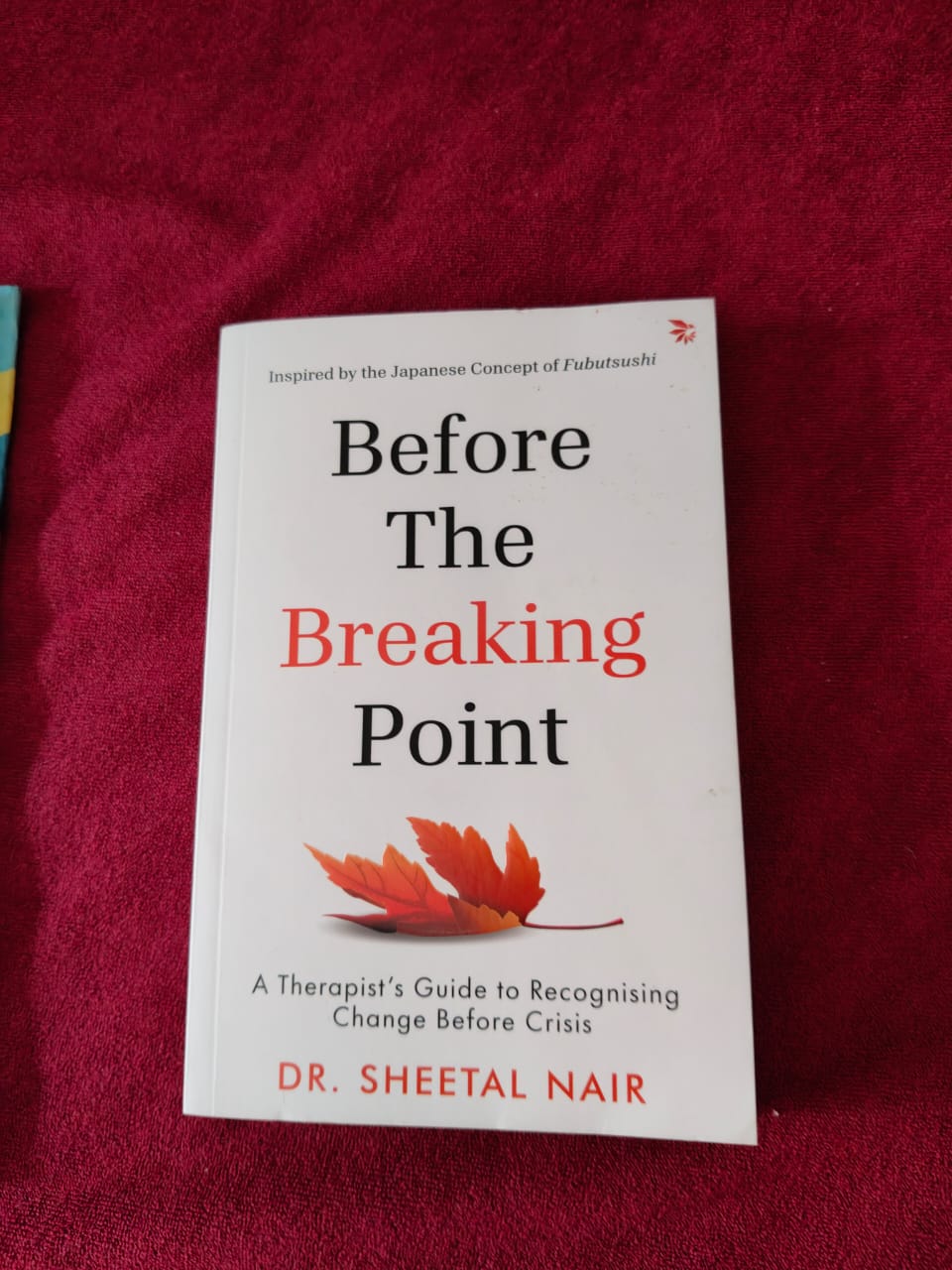
Before The Breaking Point.
“Every season carries quiet markers, warnings, and opportunities. Healing begins when we learn to recognize the subtle shift before circumstance forces our body to break.”
-
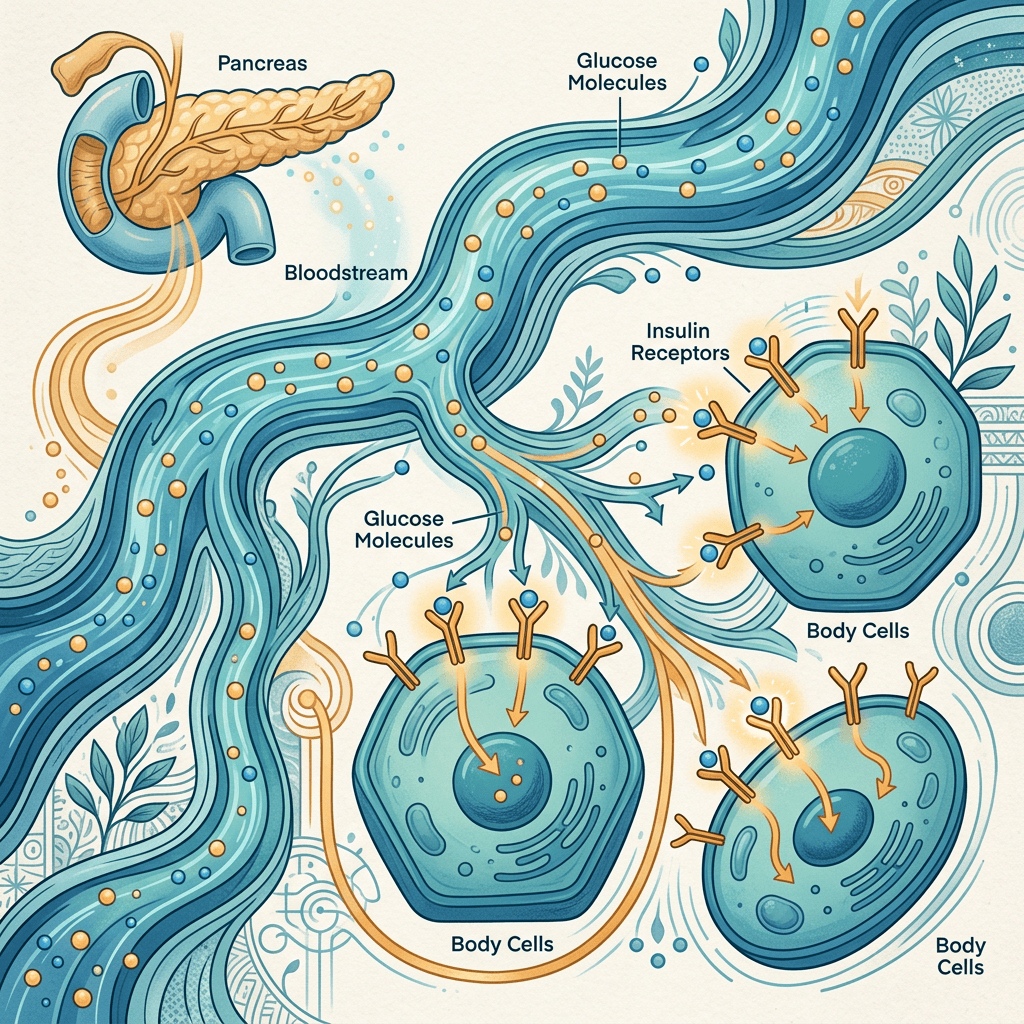
When Your Pancreas Goes On Strike.
Your pancreas isn’t broken—it’s overwhelmed. Tame your metabolic chaos by pairing modern medicine with Ayurvedic wisdom, nervous system resets, and rewritten ancestral rules for lasting health.
-
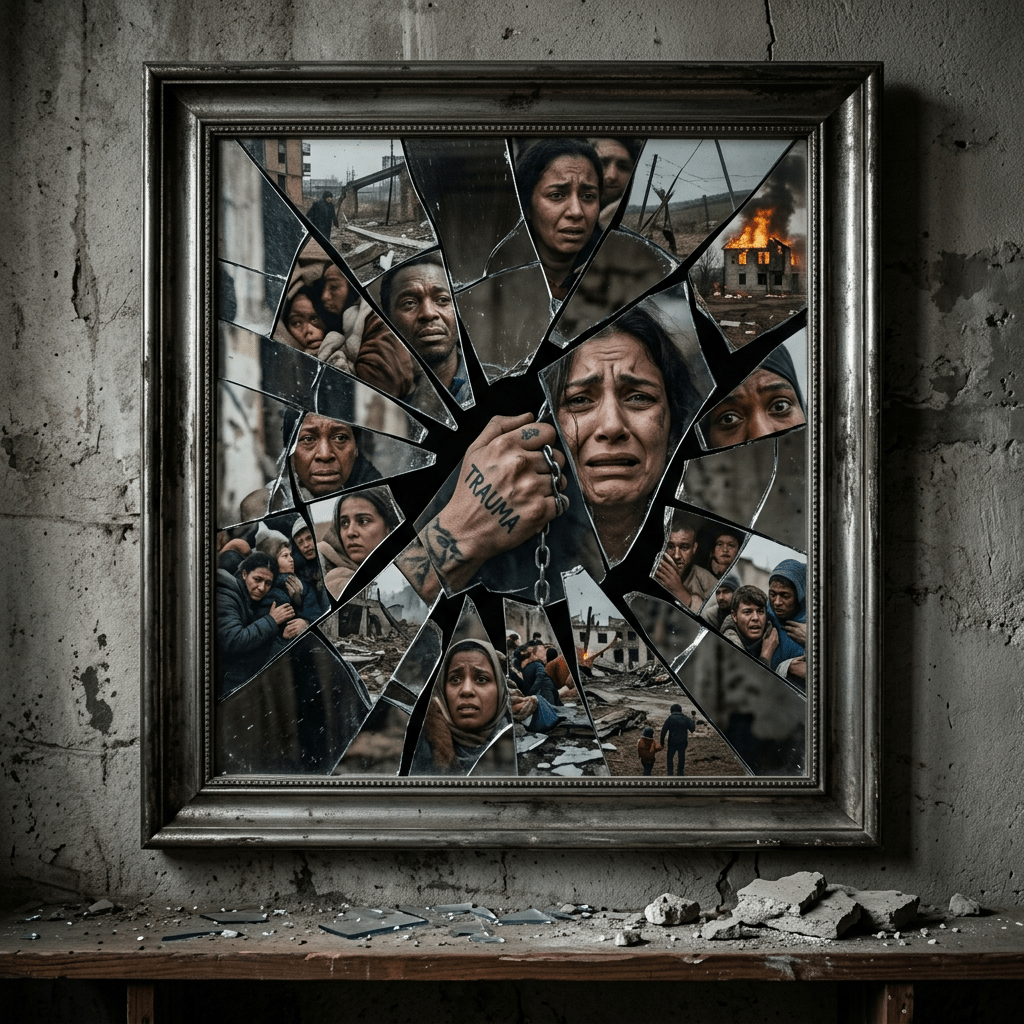
Present Hijacked by Past
Trauma can outlast the events that caused it. Learn to recognise its effects on mind and body, support recovery, and understand when professional help matters.
Got any book recommendations?

