A time for Gratitude and Closures.
This week the sun paused on its long walk, balancing day and night in perfect symmetry. The autumn equinox came and went, and across Asia, millions quietly turned towards their ancestors. It always amazes me how entire cultures, without consulting each other, find the same seasonal rhythm.
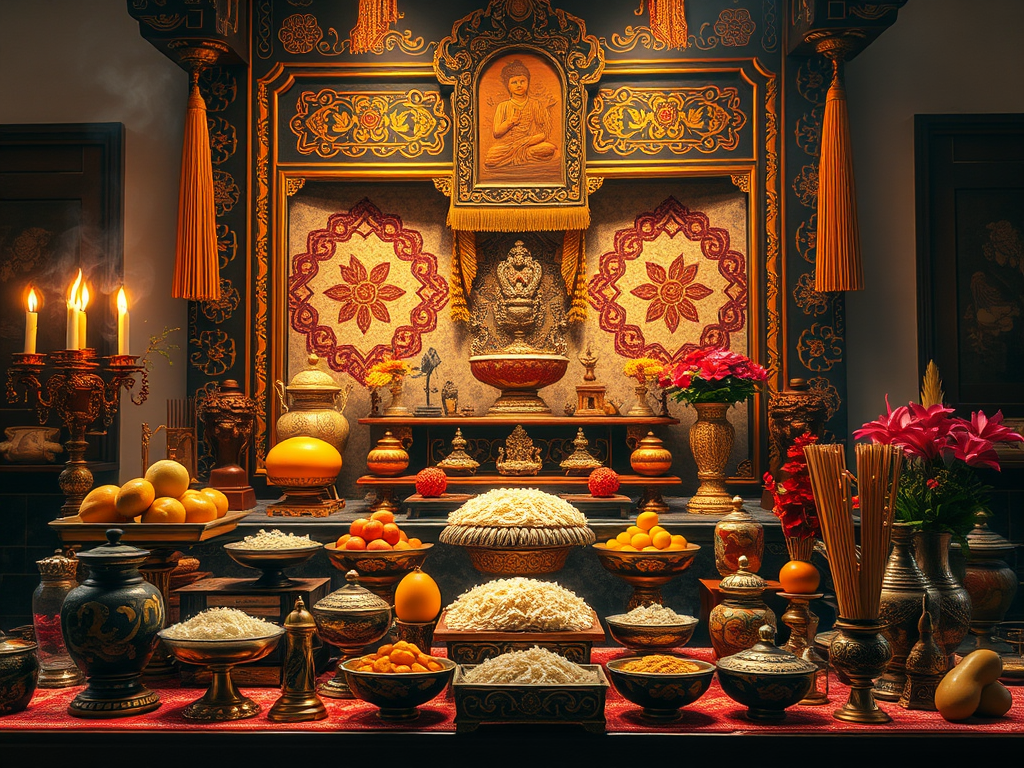
In China, the Zhongyuan festival on the 17th saw families feeding wandering spirits with incense, food, and lanterns. Koreans travelled home for Chuseok from the 17th to 19th, sweeping graves and piling tables with rice cakes and fruits. Cambodia held Pchum Ben from the 14th to the 16th, a communal effort to feed hungry ancestral souls through monks and temples. Japan stretched Higan across the equinox itself, a Buddhist reminder of balance, gratitude, and enlightenment. Meanwhile, here in India, the fortnight of Pitru Paksha (September 7–21 this year) was devoted to ancestors—feeding crows, pouring water, and sending blessings to those who came before.
The ancestors, I imagine, must chuckle at our scheduling. “Why September?” they might ask. But the equinox has its own logic. Light and dark in equal measure: a threshold moment. Thresholds are where ancestors linger best.
In southern India, I often find myself caught between healer’s eyes and anthropologist’s ears. Here, the ancestors are not abstract memories; they are very much present. In Tulu Nadu, there are bhūtas—spirits tied to lineages, villages, and landscapes—and brahmas, ancestral souls who remain part of family life. During bhūta kola, these spirits arrive in full costume: drums, masks, torches, and trance. To outsiders it may look like theatre, but for locals it is an urgent family meeting, attended by both the living and the departed. The ancestors don’t just haunt—they protect, demand, and bless.
The Malayalis, for their part, have a gentler approach. In the old tharavads—ancestral homes with courtyards the size of cricket fields—a lamp is kept burning. That small flame is a promise: “We remember.” During bali tharppanam, families carry rice offerings to rivers and seas, offering nourishment to the departed. I sometimes picture grandmothers on the other side carefully unwrapping these parcels of rice, sighing at the seasoning, but eating anyway with patient grace.
And across the region, food is always central. In Korea, rice cakes; in Cambodia, bowls of rice for monks; in Japan, flowers and tea left at graves. In India, the humble rice ball—pinda—is still the preferred courier to the ancestors. It seems the quickest way to connect the worlds is through the kitchen. Forget philosophy; the ancestors come for lunch.
Humour aside, there’s healing here. When families gather to cook for the departed, old quarrels soften. Lighting a lamp is reconciliation: it speaks words that could not be said in life—“thank you,” “forgive me,” “I still carry you.” In my work as a healer, I see how much we carry that is not ours: grief, shame, silence passed down like hand-me-down sweaters. Modern psychology calls it intergenerational trauma. In India, we say pitru dosha—the restlessness of ancestors. The remedy is rarely analysis. It is ritual action. Feed them. Light the lamp. Call their name. Gratitude becomes the medicine.
During this equinox, I lit a small lamp at my own window. Nothing grand—just a clay diya, some sesame oil. The flame flickered as moths tried their luck, and I whispered an awkward prayer. To my grandmother who never wasted a scrap of food. To my grandfather who taught me silence is not empty. To all the unnamed ones who endured droughts, storms, migrations, and heartbreaks so I could be here, typing on a screen.
I imagined them leaning in, curious. Some were likely puzzled: “What is this laptop contraption? Why not write with a pen?” But I hope at least one of them felt the warmth of my thanks. If nothing else, I trust they laughed—because gratitude, offered sincerely, tends to make everyone lighter, on both sides of the veil.
The equinox has passed, but the lamp is still glowing in me. All across Asia, whether in fiery bhūta kola dances, riverside rice offerings, or graveyard feasts, ancestral worship is simply gratitude in action. It says: We are because you were. Thank you for walking before us. May we walk well for those who come after.
And now I’d like to turn the lamp towards you.
If you’re reading this, take a breath. Think of one ancestor—known or unnamed—who has shaped your life in some way. Maybe a grandmother’s stubbornness, a father’s laugh, a nameless ancestor’s survival that made your very existence possible.
When you’re ready, place your gratitude in the comment box below. A sentence is enough. A name is enough. Even a silent thought is enough.
The ancestors, I promise you, are still listening.
 Parwatisingari's Weblog
Leave a comment