
The radio crackled that morning, the kind of crackle that carried nostalgia and a faint smell of burnt wires. Vijji had been meaning to throw the old set out, but it still worked, and that made it trustworthy—more than most people she knew. The announcer’s voice came through, full of borrowed enthusiasm: “In honor of World Audio Drama Day…” followed by a long pause, static, and then the play began.
It was one of those dramas written in the old way—no background score, no musical fillers, just people talking as though life had forgotten to give them faces. Vijji listened, letting the voices seep into the quiet corners of her house. They spoke of small towns and lost letters, and somewhere in the middle, the announcer said something odd about it being “Text Your Ex Day.” The phrase hung in the air like a dare.
Vijji thought of him then. The Ex. The one whose name she had long ago deleted but could still type from memory. She imagined him bald, maybe fat, possibly happy—none of which were acceptable. Still, she wondered where he’d ended up. The last she’d heard, he was planning to “find himself,” which she had thought was a polite way of saying “run away before I have to explain.”
Curiosity, that old unpaid bill, began to itch.
She started small. Family first. The digital graveyard of relatives and their offspring. But the family tree had grown wild—branches sprouting in strange places, people married to strangers who looked vaguely familiar. She tried messaging her cousin but the account had been inactive since 2018, last post: “So blessed to start a new journey!” That journey had probably ended somewhere between a divorce and a detox retreat.
Then came the memory.
A painting on her wall—a cheap print of Mookajjiya Kanasugalu—stared back at her. The old woman in it reminded her of an aunt, her mother’s cousin, who used to smell of coconut oil and existentialism. Vijji realized she hadn’t thought of that aunt in years. Was she even alive? She googled her name; the first hit was an obituary of someone else, same name, different face. The universe had a bad sense of humor.
Facebook was the next stop. A digital séance. Vijji typed the aunt’s name into the search bar and found three profiles—one with a profile picture of a cat wearing glasses. That one turned out to be a fake account. The second had no posts since 2016 but was still “active today.” Ghosts scroll too, apparently. The third one was the jackpot. And there, in the friend list, was a name that made her squint: Vaani.
Vaani had been one of those people who laughed too easily and thought too little. Vijji hadn’t spoken to her since the wedding where Vaani had spilled wine on her sari and called it “modern art.” Yet, somehow, here she was, a bridge between the living and the remembered.
She dialed her number before she could talk herself out of it.
“Vaani!”
“Vijji? Oh my god, you call people now?”
“I do when the internet fails me.”
Laughter. Then the kind of silence that carries the sound of aging.
Vaani told her the aunt was alive, in some town whose name sounded like an apology. “She’s on WhatsApp,” Vaani said, as if it were an honor. “I’ll send you her number.”
From the aunt came the next link. A nephew. From the nephew, a college friend. From the friend, a Twitter handle. And there it was—a familiar username, slightly altered but unmistakable. The Ex. His profile picture was of a mountain and a cup of tea. The bio read: “Peace begins where ego ends.”
Vijji rolled her eyes so hard she nearly saw her past.
She scrolled through his tweets—photographs of clouds, quotes about silence, the occasional retweet of a monk. He was in Bhutan. Of course he was. People like him always ended up in places that looked like enlightenment brochures.
She hesitated before sending the message. What does one say after years of silence? Hi, remember me? I’m the reason you believe in detachment now?
She settled for: Hey. Heard it’s Text Your Ex Day. Thought I’d comply before the universe sends another reminder.
The message delivered. The two blue ticks appeared. She waited. The radio crackled again. Another play began. Someone on it was confessing to a murder, and somehow it felt appropriate.
Ten minutes later, a reply.
Hello, Vijji. How have you been?
She almost laughed. That old, polite cowardice.
Still human, she typed. You?
Trying not to be.
There it was—the punchline life had been saving. She smiled. The kind of smile that doesn’t ask for witnesses.
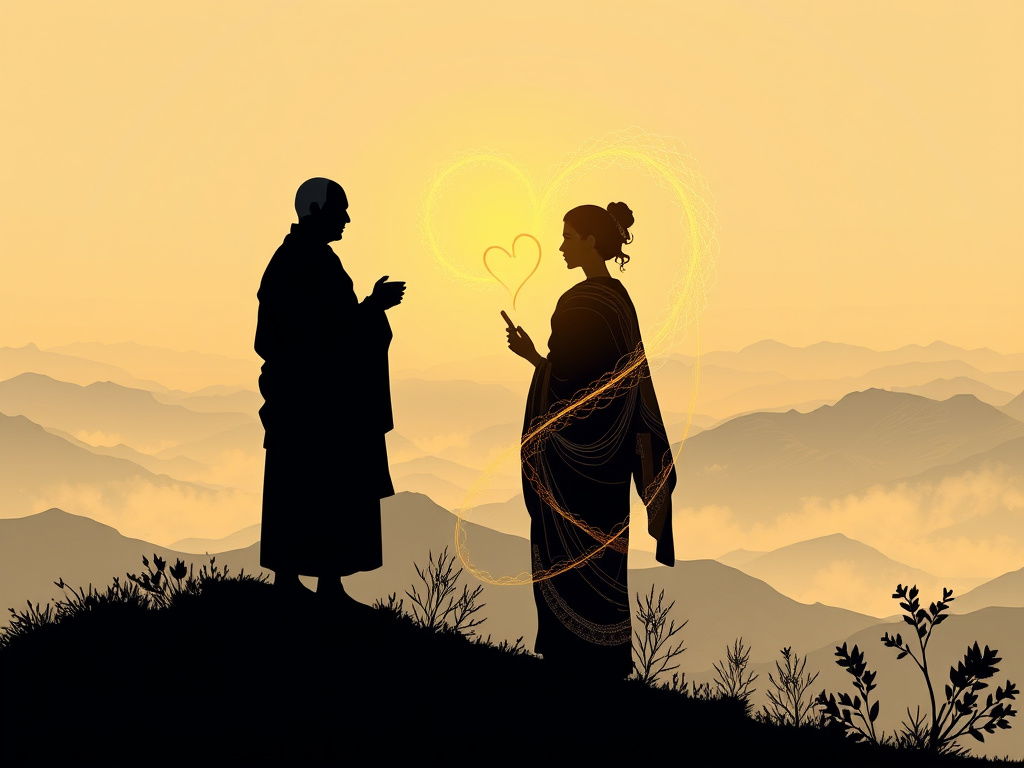
They exchanged a few more lines—polite, detached, like neighbors after a fire. He told her he’d become a monk, or was becoming one, or was pretending to. She wished him peace, though she didn’t mean it. She meant closure, which was close enough.
When she turned off the radio, the room felt heavier, but not unpleasantly so. The painting on the wall looked less judgmental.
Vijji poured herself tea, logged off, and deleted the message thread—not out of anger, but hygiene. Some memories deserve composting.
Outside, the world hummed. The radio’s faint static still lingered, like applause after a forgotten play.
Grace, she thought, was just knowing when to stop listening.
This post was written for Blogchatter Half Marathon.


 Parwatisingari's Weblog
Leave a comment