
Holi and Holige at Aunt Selvi’s.
Aunt Selvi Dodda’s breakfast table is not furniture. It is a constitutional assembly. Steel tumblers stand like silent witnesses. The kaayhalu sits in a large bowl, serious and respectable. The kadabu steams with quiet dignity. And this morning, democracy is already failing.
Jenny starts it.
“Holi is next week,” she says, with the confidence of someone who has not checked anything.
Andy walks in, holding his phone like it contains the Vedas. “Wrong. It depends on which calendar you follow. Also today is grahana. So technically we should not even be sitting like this.”
From the kitchen, Selvi Dodda replies, “You already ate half the kadabu. Now you remember eclipse?”
Jenny smirks. “Exactly.”
They sit. Plates are filled. The kaayhalu is poured. The argument resumes.
“In our house,” Jenny says, “Holi is not even a big thing.”
Andy straightens. “It is a pan-Indian festival.”
“In whose pan?” she asks. “Here only holige hanchu is important.”
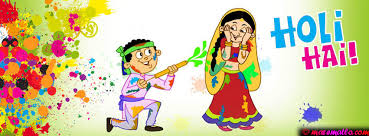
Andy clears his throat. “Holi is based on Prahlada. Hiranyakashipu. Holika. Devotion wins.”
He says it like he is narrating a mythological serial.
“Yes yes,” Jenny says. “Story we know. But in our place what happens? We make holige. Go to temple. Come back. No one is throwing pink powder at postman.”
Selvi Dodda arrives and places more kadabu on the plate. That is her way of restoring order.
“In the North,” Andy continues bravely, “Holi marks the end of winter.”
Selvi Dodda nods. “Correct. Big cold goes away. They feel relief. They celebrate loudly.”
Jenny adds, “And after Holi they take cold water bath, no? Like after Deepavali we take hot water bath.”
Andy brightens. “Yes! Post-Holi cold water. Post-Diwali hot water. Seasonal logic.”
Selvi Dodda looks pleased. “See? Climate decides culture. There winter is dramatic. Here what winter? Fan speed goes from three to two. That is all.”
Jenny laughs into her kaayhalu.
Andy refuses surrender. “Still, in Madhva tradition, Prahlada is very important. Narasimha avatar. Bhakti over ego.”
“Yes,” Selvi Dodda says calmly. “Theology is important. Expression is different.”
She wipes her hands and sits.
“Myth travels,” she says. “But behaviour does not travel fully. It adjusts. In agrahara culture, people are careful. No public madness.”
Jenny grins. “Translation: no one wants to wash colored veshtis.”
Andy protests, “It is about ritual discipline.”
Selvi Dodda points at him. “Discipline means remembering grahana before eating three kadabu.”
Silence. Jenny nearly chokes laughing.
“In North India,” Selvi Dodda continues, “Holi allows inversion. Teasing. Noise. Even mocking elders. One day only.”
“In this house,” Jenny says, “if we mock elders, it is permanent ban.”
“Correct,” Selvi Dodda says without blinking.
She gestures toward the stove. The holige hanchu sizzles in approval, as if it too supports order and boundaries.
“In Tulu we say Panguni,” she continues. “Same month as Phalguna. Same moon. But our style is different. We keep what suits us. We soften what does not.”
Andy leans back, thoughtful now. “So it is not North versus South.”
“No,” she says. “It is rhythm versus rhythm.”
Jenny nods slowly. “Same story. Different volume.”
Selvi Dodda smiles. “Exactly.”
Andy checks his phone again. “But seriously. Grahana time has started.”
Selvi Dodda stands immediately. “Fine. After eating, both of you take proper bath. No shortcuts.”
“Hot water?” Jenny asks mischievously.
“Cold water,” Selvi Dodda says. “Since you are discussing Holi climate logic so much.”
The holige hanchu sizzles louder.
“And listen carefully,” she adds, gathering plates. “If either of you brings color into this house, next festival we celebrate will be your shraddha.”
The kaayhalu remains dignified. The kadabu remains innocent. The eclipse continues outside.
Inside, culture survives exactly as it likes—measured, edited, and very well fed.


Leave a Reply