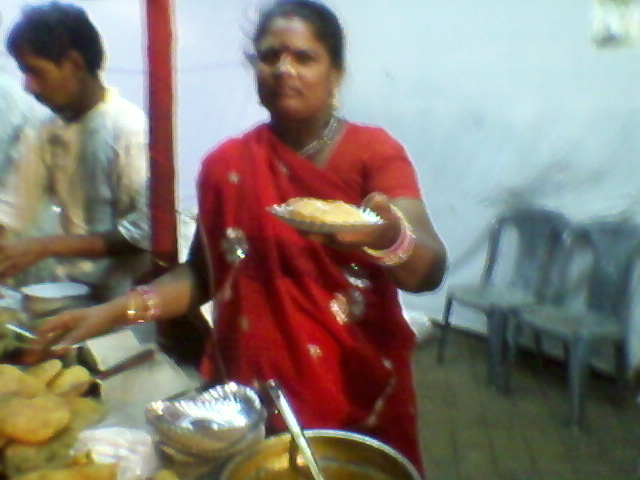
Food security is National security
Food Future: The Invisible Casualty of War
Rava idli wasn’t born out of culinary innovation—it was a workaround. During World War II, rice shortages pushed households and kitchens in South India to improvise, substituting semolina when staples ran dry. What we now plate with nostalgia and coconut chutney is, in fact, a quiet artifact of disruption—a reminder that war doesn’t just redraw borders, it rewrites menus.
Food insecurity rarely announces itself with empty plates. It moves differently. It reduces protein quietly, dilutes nutrition subtly, and normalizes compromise efficiently. Iron deficiency becomes “just feeling tired,” and stretching a meal becomes a skill worth admiring. Anxiety about rising food prices hums constantly in the background. This is not a crisis that shocks—it’s one that settles in. A psychological shift as much as a physical one.
We notice collapse when it performs for us—buildings falling, skylines breaking, the kind of destruction that could easily feature Hrithik Roshan walking through cinematic dust. Concrete damage feels temporary. We assume reconstruction. Steel and glass come with timelines. But the real collapse doesn’t trend. It sits in degraded soil, in contaminated water, in supply chains that quietly fail.
War actively poisons soil, disrupts water systems, and fractures the networks that decide what reaches your plate. The damage doesn’t explode once—it accumulates. It deposits itself into the future.
After World War I, Europe didn’t just rebuild cities—it struggled to recover farmland pushed to chemical and physical exhaustion. Agricultural output dropped despite increased labor, forcing rationing systems across multiple countries. Studies from the period show calorie intake in parts of Europe falling by over 20%. Not famine—but a measurable downgrade in how populations ate.
Then came World War II, where food systems themselves became strategic targets. Bombing campaigns disrupted irrigation, storage, and transport infrastructure. In Japan, rice production fell sharply due to land damage and logistical breakdowns. FAO-backed post-war analyses indicate that recovery of agricultural productivity took years, not seasons. Soil doesn’t respond to urgency—it responds to biology.
Scarcity doesn’t just reduce quantity; it rewires diets. During the Gulf War, disruptions in grain and oil supply triggered price shocks that forced multiple countries to shift toward cheaper, calorie-dense, nutrient-poor foods. These changes linger. Diets, once downgraded, don’t easily upgrade. Malnutrition doesn’t arrive dramatically—it integrates.
Even when soil survives, water often doesn’t. Conflict accelerates contamination through industrial runoff, damaged sewage systems, and military waste. Add to that decomposing biological debris, and you get crops that grow but don’t nourish. Yield looks stable. Edibility becomes questionable.
At the same time, we are raising a generation that experiences food as an interface. Platforms like Swiggy compress the entire agricultural chain into a tap. Food arrives; therefore, it exists. Seasonality, soil health, crop cycles—these concepts fade into abstraction. Farming becomes a fallback, not a future. When disruption hits, this disconnect matters. Societies that don’t understand food production don’t just struggle—they stall.
Current tensions involving Iran and Russia are framed as oil stories. They are also food stories. India imports a significant portion of its fertilizers and energy inputs. When supply chains tighten—as they have in recent global shocks—fertilizer prices spike, in some cases by over 80% according to World Bank estimates. Farmers absorb the first hit. Consumers absorb the final one.
India’s risk isn’t immediate famine—it’s nutritional erosion. NFHS-5 data already shows anemia affecting over half of women and children. Calories are available. Nutrition is negotiable. Food exists, but it doesn’t fully nourish.
We’ve seen this adaptation before. Horlicks rose to prominence as a wartime supplement—a controlled, engineered response to disrupted food systems. Efficient, scalable, and quietly indicative of a deeper problem: when real food systems fail, substitutes step in—and stay.
So when we watch war—on screens or in headlines—we’re not just witnessing destruction. We’re watching the slow redesign of food futures. Not whether food will exist, but what kind of food will define us.
Because buildings define the present. Food defines the future. We rebuild skylines with urgency. We neglect soil, water, and nutrition with remarkable consistency.
And that asymmetry doesn’t explode. It accumulates—until one day, it simply becomes the way we eat.
Which leaves us with an uncomfortable but necessary conclusion: food security is national security. Not as a slogan, but as policy, priority, and practice. It means treating soil like infrastructure, water like strategy, and farmers like frontline workers. It means diversifying inputs, rebuilding local food systems, investing in nutrition—not just production—and restoring our literacy of how food actually reaches us.
Because if the next crisis rewrites our menus again, the question won’t be whether we can improvise another rava idli.
It will be whether we still have the systems left to choose how we eat at all.
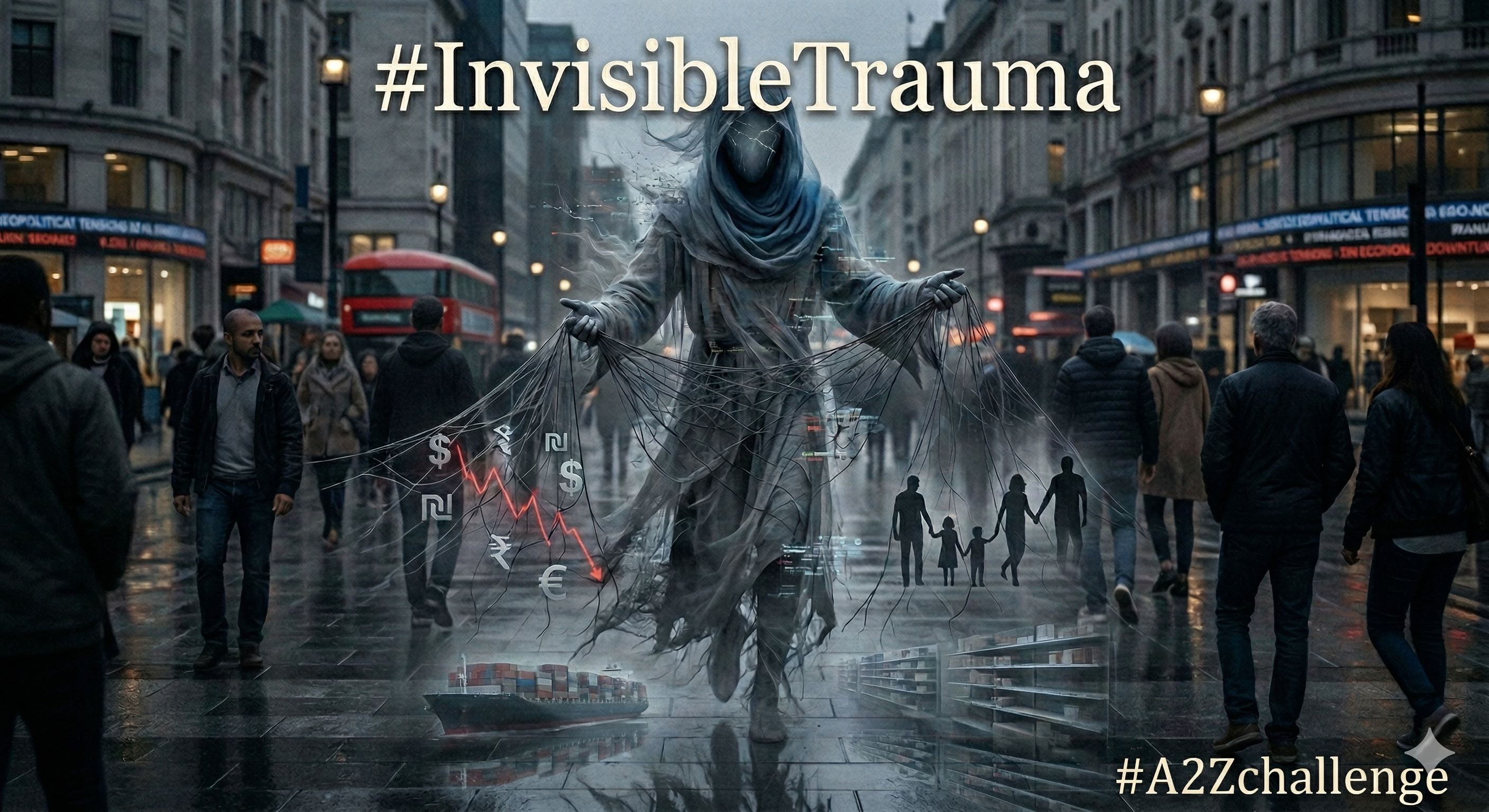
This post is part of the #A2Zchallenge of Blogchatter.
 Parwatisingari's Weblog
Leave a comment