creating a twitter thread
1/ 🐍 Over the past 30 years, I’ve heard astrologers talk about Naga dosha and pilgrimages to Kukke Subramanya. This recurring mention of serpentine divinity sparked my fascination with the cult of the Naga. A thread on myths, rituals, and their enduring legacy.👇
2/ 🐉 Did you know the Mahabharata begins and ends with rituals involving Nagas?
- Janamejaya’s snake sacrifice avenged Parikshit’s death.
- But it was Parikshit’s garlanding a sage with a dead snake that set the story in motion.
What’s with this human-Naga enmity?
3/ 🧬 Yet Nagas weren’t just adversaries. Krishna’s grandfather Shura married a Naga princess. The Khmer people trace their ancestry to Prince Kaundinya and Soma, a moon-born Naga princess, linking Nagas to prosperity and legacy.
4/ 🌊 Tibetan lore associates Nagas with water and purity, despite their rare presence in high-altitude Himalayas. Symbolism matters more than geography here. Nagas, as guardians of abundance, transcend physical boundaries.
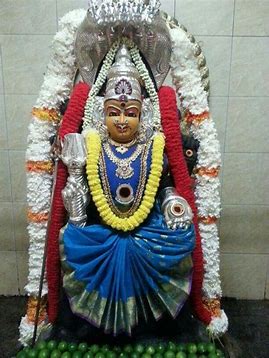
5/ 🌳 On India’s east coast, Nagamma is worshiped. In Kerala, Nagayakshi Amma & Ashtanagas are celebrated through Kalam Puja—a mesmerizing ritual where divinity meets art and dance.
6/ 🎨 A Sarpa Kalam (serpent design) is drawn, music (Panchavadyam) fills the air, and an oracle performs a torchlit dance (Thiruuzhichil), narrating the Naga myths.
7/ 💐 Two Kanyas (young girls) join, dancing with arecanut flowers. They enter a trance, embodying the serpent gods. The ritual ends as the Kalam is erased—a symbolic closure of divine communion.
8/ 🧘🏽♀️ Manasa Devi, the mind-born daughter of Kashyap, is a Naga goddess turned humanized deity. Known as Vishahari (nullifier of poison), she’s a protector. Some say her roots lie in Kannada folk traditions, where she was revered as Manchamma.
9/ 🌟 Whether as guardians of wealth, water, or spiritual balance, Nagas remain central to myths across India and beyond. Their stories remind us of the interconnectedness of nature, divinity, and humanity.
10/ 🐍 This #NagaPanchami, let’s honor these enduring symbols of abundance and protection, deeply rooted in our collective consciousness. What are your favorite Naga myths? Share them below! 👇
The social Media Post
Here’s a crafted social media post:
🐍✨ The Timeless Mystique of Nagas ✨🐍
Nagas—serpent deities—are more than mythological beings; they embody nature, protection, and abundance. From the Mahabharata’s rituals to Kerala’s mesmerizing Kalam Puja, their presence weaves through our cultural tapestry.
Did you know?
- Krishna’s grandfather married a Naga princess.
- The Khmer people trace their ancestry to a Naga queen.
- Tibetan lore links Nagas to water and purity.
In Kerala, the Nagayakshi Amma ritual brings divinity to life. A stunning Sarpa Kalam is drawn, music fills the air, and trance-like dances connect devotees to the serpent gods.
Manasa Devi, a Naga goddess turned humanized deity, protects as Vishahari—the nullifier of poison. Her evolution shows how myths adapt, blending tribal roots with divine narratives.
This #NagaPanchami, let’s celebrate these powerful symbols of resilience, prosperity, and connection to nature. 🐉💚
✨ What’s your favorite Naga story? Share it in the comments!
#NagaDosha #IndianMythology #NagaYakshi #Spirituality #Rituals
The Post
Exploring the Cult of the Naga: A Journey Through Myth, Ritual, and Legacy
Over the past three decades, I’ve often encountered mentions of Naga dosha, remedies, and pilgrimages to Kukke Subramanya. This recurring theme of serpentine divinity sparked my fascination with the cult of the Naga.
From the Mahabharata to Khmer legends, the motif of the Naga appears repeatedly, entwined with themes of power, protection, and wealth. The Mahabharata, in fact, bookends itself with rituals targeting Nagas—starting with Janamejaya’s snake sacrifice for avenging his father Parikshit’s death and ending with a resolution that underscores their enduring significance.
Curiously, Parikshit’s encounter with the snake stems from an incident often overlooked: his garlanding a meditating sage with a dead snake. Such stories reveal the complex relationships between humans and Nagas, not just as adversaries but also as ancestors and allies. For instance, Krishna’s grandfather Shura married a Naga princess, intertwining these celestial beings with the Yadava lineage.
The Khmer people, too, trace their ancestry to a Naga princess. Their myth speaks of Prince Kaundinya and Soma, the moon-born Naga princess, whose union birthed prosperity and lineage. This fascinating belief links Nagas to the promise of abundance and resurgence.
This Naga Panchami, I delved deeper into Naga worship traditions across India. On the east coast, the reverence for Nagamma is well-known. In Kerala, however, the worship of Nagayakshi Amma and the Ashtanagas is steeped in unique ritualistic traditions.
The Kalam Puja celebrates Nagayakshi Amma in mesmerizing ways. Invited ceremonially from her shrine to a specially drawn Sarpa Kalam, she is greeted with Thalappoli and Panchavadyam music. The ritual culminates in a dramatic dance—the Thiruuzhichil—performed by a male oracle holding a torch.
This dance narrates the tales (charitams) of the Naga deities, weaving myth and devotion into a performance. Two young girls, referred to as Kanyas, participate by dancing with arecanut flowers, eventually entering a trance that embodies the presence of the serpent gods. As the ritual ends, the meticulously drawn Kalam is erased—a symbolic closure to the divine communion.
Interestingly, in Tibetan lore, Nagas are guardians of water and purity. This association is striking, considering the Himalayan altitudes where snakes are seldom found. It reiterates the symbolic, rather than literal, significance of these serpentine beings.
In Indian mythology, the transformation of Nagas into humanized forms is also noteworthy. Take the case of Manasa Devi, the mind-born daughter of Maharishi Kashyap. Known as Jagad Gauri, Vaishnavi, and Saiva, she embodies multiple divine identities while retaining her origins as a Naga goddess. Her role as Vishahari—one who nullifies poison—reflects the protective aspect of serpentine divinity.
Some scholars argue that Manasa Devi’s roots trace back to Kannada folk traditions, where she was revered as the tribal goddess Manchamma. Over time, this tribal essence merged with Puranic narratives, evolving her into the deity we know today.
These layered interpretations highlight the rich tapestry of Naga worship—where divinity bridges nature, mythology, and human culture. Whether as underworld keepers of wealth or guardians of water, Nagas continue to hold a place of reverence and mystery across traditions.
This enduring legacy of the Naga reminds us that myths are not just stories but living traditions that connect us to the primal forces of nature and the divine.


Leave a Reply