The Onam Defiance: Roots, Rot, and the Exiled King
I have spent an alarming portion of my adult life staring into the damp, cavernous orifices of strangers, scraping out foul rot, calculating how much jawbone is left, and gently breaking the news to self-deluded fools that a gleaming porcelain crown cannot save a dead, putrefying root.
As a hypnotherapist and an unrepentant observer of human folly, I assure you: society’s mouth is infinitely more diseased than any set of crooked bicuspids I have ever had the misfortune to drill. We are a species obsessed with quick cosmetic fixes. We love sticking sparkling veneers over deep-seated cultural infections, hoping to God that our neighbors don’t catch a whiff of the rot underneath.
Nowhere is this hypocritical comedy played out with more sanctimony than in how we butcher our own myths every August.
Take the monsoon along the coast. In the old days, when the rains lashed Kerala and Tulu Nadu, it wasn’t a time for lazy poetry, hot pakoras, and Scotch. It was pure, unadulterated misery: crops rotting in waterlogged fields, damp dampening your very marrow, pestilence swarming in every corner, and the claustrophobic dread of being stuck indoors while your roof dissolved. It was what any sensible doctor would diagnose as a collective nervous breakdown.
Our ancestors, possessing a damn sight more psychological sense than modern gurus, invented Aati Kalenja to deal with the trauma.
An artist from the Nalike community emerges out of the soaked greenery, draped in wild leaves and blooming flowers, crowned with tender palm fronds, carrying a dry-leaf parasol. He begins to dance to the hypnotic, bone-rattling thud of the tembere drum, flinging a sharp concoction of charcoal, turmeric, and sour tamarind water across every threshold. It is brilliant somatic medicine: the sharp antiseptic smell shocks the nose, the rhythmic drumbeat resets the racing heart, and the eyes feast on living green. The hyper-vigilant, terrified animal brain gets its message loud and clear: The misery has been exorcised. You can stop holding your breath now.
Then, of course, the clouds part, and we arrive at Onam.
The rest of this self-righteous country loves nothing more than making cheap jokes at the Malayali’s expense. They snigger at his rolling ‘zha’ accents, his unironic love for a checked lungi, his thirst for dark rum, and his eternal obsession with the Gulf. But the joke, as usual, is on the mockers.
The mainland bigot cannot wrap his tiny brain around the fact that Malayali is a collective noun before it is a religious tag. A Malayali is first, last, and always a Malayali; whether he goes to a temple, a mosque, or a church on Sunday is strictly secondary business. That fierce, unapologetic secularism—the absolute refusal to let gods get in the way of a good feast—is a miracle in our otherwise hate-addled republic. Though, God help us, even that golden fabric is wearing thin today, much like the cheap, power-loom kasavu sarees flooding the markets, shedding their dignity for synthetic flash.
My grandmother, Kittadoddamma, was never fooled by priests or revisionist windbags. She would sit on her wooden bench, chew her betel nut, and hum that grand, subversive anthem:
Maveli nadu vaneedum kalam,
manushyarellarum onnupole…
Aamodhathode vasikkum kalam
aapatthangarkkumottillathanum.
(When Maveli ruled the land, all humans were equal… life was pure joy, untouched by deceit, hierarchy, or dread.)
Kittadoddamma taught me that Bali literally translates to sacrifice. Abundance isn’t a miracle bestowed by sky-dwelling freeloaders; it is the quiet, dirty sacrifice of the earth. The seed has to decompose and die so grain can sprout; the black cloud has to tear its belly open to pour rain; the blind earthworm has to toil in the muck to keep the soil breathing.
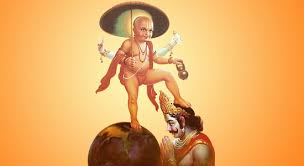
Naturally, the self-important Devas—the original high-caste, celestial country-club snobs—couldn’t stomach an earthly king who actually gave his people a casteless paradise. So they sent Vishnu in the guise of Vamana, that cunning, vertically-challenged trickster, to cheat Mahabali out of his own kingdom and step on his head, exiling him to the underworld.
These days, of course, our cultural revisionists have sprouted like monsoon weeds. These puritanical busybodies are desperate to scrub Mahabali from the record, labeling him a crude, uncultured “Asura” and lecturing Malayalis to celebrate “Vamana Jayanti” instead. The cheek of it! Imagine trying to convince people to celebrate the scheming landlord rather than the generous king who fed them.
My friend and blogger Tomichan Matheikal put his finger right on the moral pustule of this myth on his blog (https://matheikal.blogspot.com/
). He quotes William James’s devastating ethical dilemma from 1891: If the entire universe could be made perpetually happy, peaceful, and sublime on the sole condition that one single, innocent soul be condemned to eternal, solitary torment… would you accept such a rotten bargain?
That is the Mahabali story in a nutshell. He is the ultimate cosmic scapegoat. The elite pantheon demanded their pristine, undisturbed status quo, and the price was stamping an honest, generous king into the dirt.
Yet look at the magnificent, bloody-minded defiance of Kerala and Tulu Nadu. While the rest of the world bends the knee to the conqueror, Malayalis lay out vibrant, dazzling carpets of pookalam flowers to welcome the defeated scapegoat back to his own dirt. We do not build marble statues for the calculating dwarf with his imperial foot; we roll out a carpet of petals for the king who gave his head so his people could live without fear. It is a mass somatic healing ritual—transforming ancient political injustice into an annual riot of color, food, and laughter.
So, as the monsoon retreats and the smell of roasting spices fills the air, every one of us faces a stark, unflattering choice.
Do you want to be a Vamana? A rigid, suspicious, grasping little bureaucrat of the soul, constantly measuring territories, demanding receipts, hoarding credit, and stepping on other people’s heads to maintain your tiny slice of cosmic real estate?
Or do you have the guts to be Bali? Generous to a fault, rooted in the wet mud, utterly unbothered by sanctimonious elites, and willing to give away the earth with a hearty laugh?
Kick off your shoes. Step onto the cold, wet soil. Inhale the intoxicating, sharp fragrance of hot patoli steamed in fresh turmeric leaves, let the primitive beat of the drums blow the accumulated rubbish out of your over-educated skull, and lay down your flowers.
Empires fall, pompous gods fade, and clever little dwarfs eventually get forgotten. But Bali, god bless him, still rules the feast.


Leave a Reply